Introduction
In competitive sports, athletes rarely perform well when they are sick, injured or excessively tired. That’s why, in order to optimize performance, strength and conditioning coaches must design programs that not only allow athletes to train at high training loads, but also implement workload optimization strategies to reduce the negative effects of intensive training (illnesses, injuries).
Finding and maintaining the delicate balance between training and competition loads, recovery and rest is both an art and a science and is named workload management.
Workload management is a continuous process that usually requires four elements:
- The daily monitoring of at least a measure of the work done by the athlete (external load) – time, distance, etc.;
- The athlete’s response to the work done (internal load) – RPE, enjoyment, etc;
- The tracking of subjective wellness measures – Fatigue, quality of sleep, stress, mood;
- The use of these measures and related metrics to adjust the athlete’s training program, recovery and rest
While the data collection and workload management process is quite simple, interpreting data and making coaching decisions based on monitoring data can be tricky.
This article presents the most common load management mistakes, and provides solutions to fix them.
#1 Make sure athletes are adequately prepared
Athletes are often injured in the last part of a game, see their performance drop during tournaments, make tactical errors at the end of a competitive event, or become sick at the end of an intensive training camp.
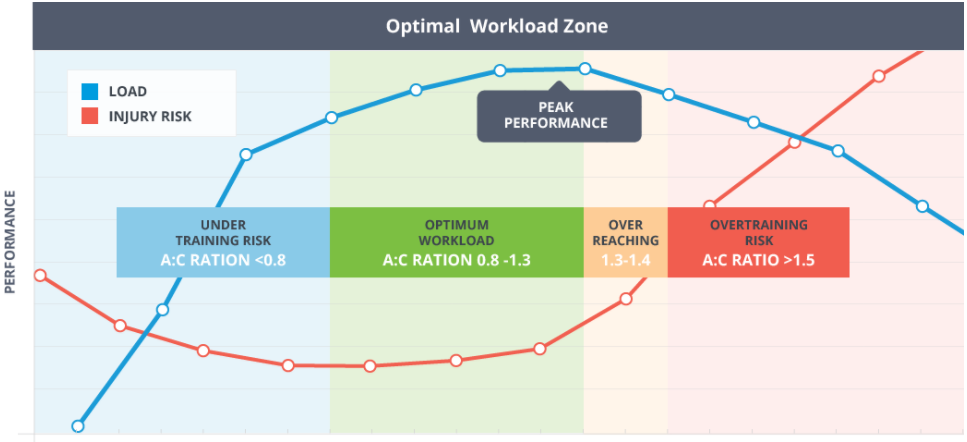
Figure 1 - The Load-Risk-Performance relationship & the Acute:Chronic Workload Ratio (adapted from references 3, 7)
Many times, these issues are entirely predictable. They occur because athletes are not adequately prepared for the physical and psychological demand imposed by the training/competitive task3,4. This lack of readiness produces excessive fatigue, which in turn reduces motor control, impairs concentration and make athletes more vulnerable to injuries and infections2,4,5.
What to do:
To ensure athletes are adequately prepared for the task at hand, follow these 3 steps:
- Accurately assess the competitive/training task and identify the key performance indicators (KPI). KPI’s are both objective (how many sprints, how many throws, magnitude and duration of power output, etc.) and subjective (what the athlete is finding the hardest to do during the targeted event).
- Administer KPI-specific tests to compare the athlete’s current level of fitness/performance to the task requirements, and progressively increase the athlete’s performance capacity, up to the level required by both the overall competitive task and specific KPI’s.
- Monitor the Acute:Chronic Workload Ratio carefully for both internal and external load (1-2 key sport-specific metrics), and make sure that it remains in the 0.8-1.3 range2. A ratio higher than 1.3 indicates that the athlete’s weekly load is more than what he/she is prepared for and will significantly increase his/her risk of injury/illness.
#2 Increase workload very slowly
A fast increase in workload is a major risk factor of injuries. This often happen in two situations:
1) When athletes return to sports following an injury
2) When athletes are returning to full training after a long period of inactivity (eg: off-season).
Spikes in injury rates are consistently observed during periods of increased training volume following breaks from organized training20. A recent Norwegian study1 has demonstrated that all athletes who return to sport less than 5 months after an ACL reconstruction suffered a knee reinjury1.
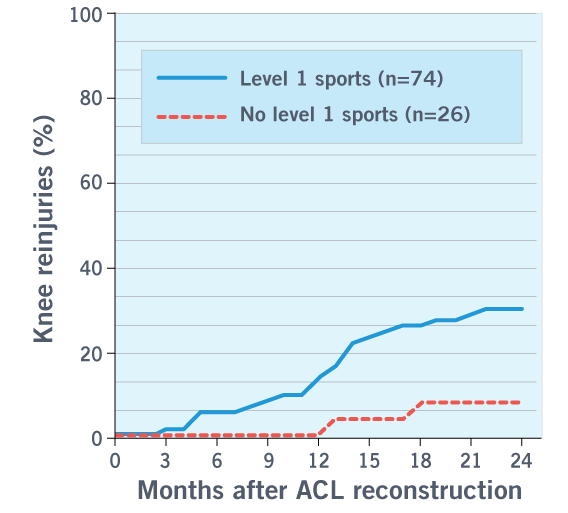
Figure 2 - Knee reinjuries after ACL reconstruction (from reference 1)
Another study from Gabbett2 has demonstrated that when workload increases by 15% or more from one week to the next, risk of injury jumps by up to 50%. Increasing load too fast is therefore a major risk factor.
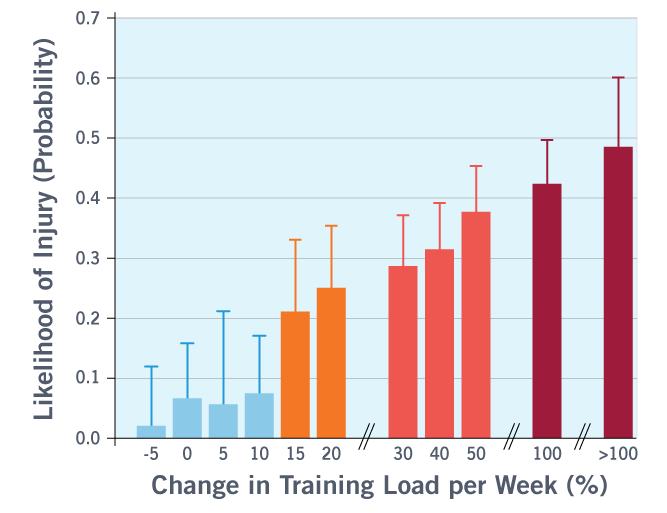
Figure 3 - Likelihood of injury with different weekly changes in load (from reference 3)
What to do:
To reduce the risk, return to sport decisions should be based on the latest sports-medicine research and, even when external pressures are mounting for a faster return to competition, should allow the injured athlete the recommended recovery time.
Increase workload very progressively (<10%/week), using the athlete’s feedback and perceived wellness scores to guide load progression3.
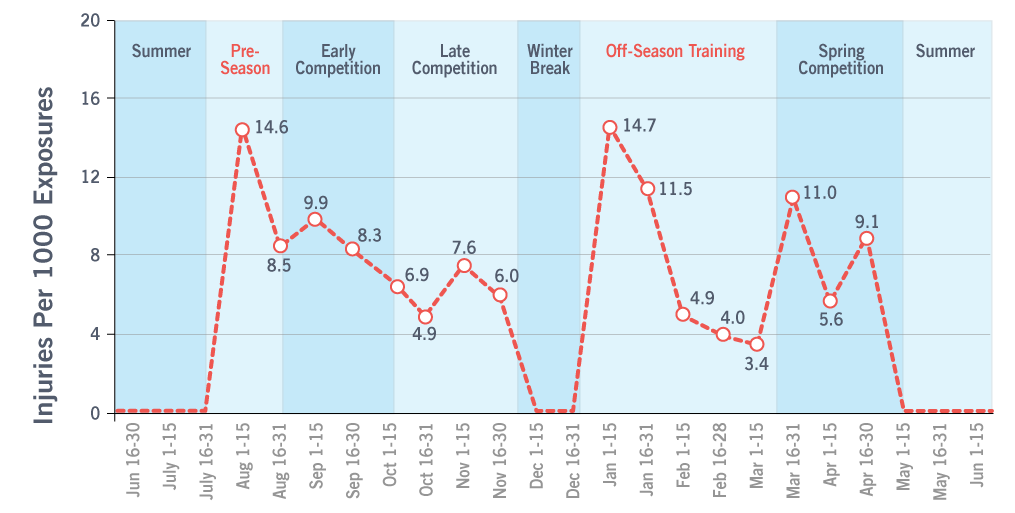
Figure 4 NCAA Div 1 volleyball seasonal injury rates. From reference 20
One of the best preventive measures for athletes returning from the off-season is to have athletes continue to train and stays fit through the off-season.
Plan your off-season training program so that the load of the last week of the off-season will be about 15-20 % lower than the first week of the pre-season. In this case, the change on load will be in the moderate risk zone, and will make return to pre-season training much less risky.
When athletes are reluctant to train during the off-season, a fitness testing session scheduled at the first pre-season session can act as a strong motivator. In any case, keep week to week load increases under 15% to keep risk to minimal levels.
#3 Make sure workload is age appropriate
When overall training and/or competition load exceed the athlete’s recovery capacity, burnout and overuse injuries are likely to occur. This often affects young athletes competing in multiple teams/sports.
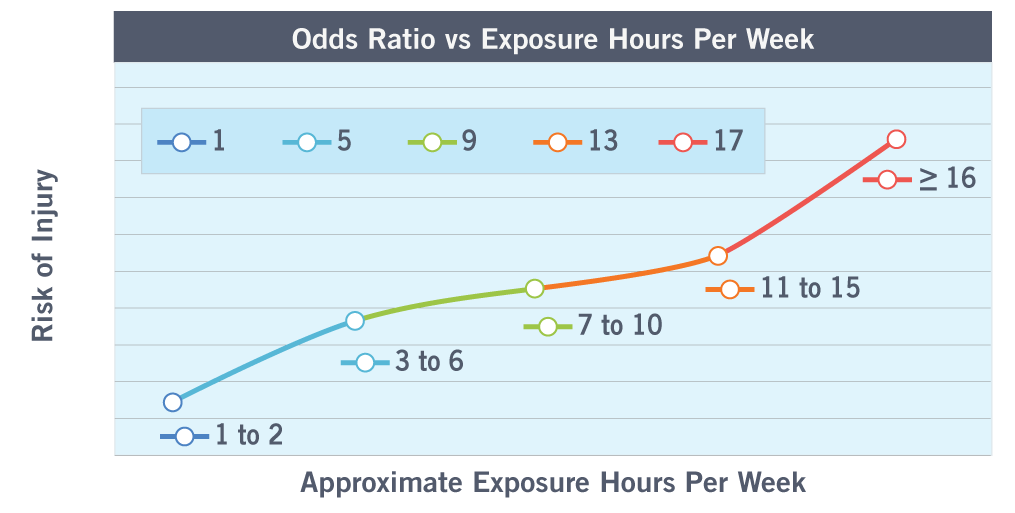
Figure 5 - Relationship of injury to exposure hours in high school athletes (from reference 17)
Recent research6 indicates that when young athletes train/compete more hours per week than their age (e.g.: when a 12 years old train/compete more than 12h/week), the risk of overuse injury can increase by up to 70 %.
Although the ability to sustain high loads while staying healthy is a prerequisite to reach top performance, building tolerance to high loads takes time. This a multi-year process and trying to rush this process will likely leads to negative outcomes.
What to do:
Monitor training and competition weekly volume (in hours), rest days and daily wellness. Ensure that weekly schedules include at least one day of complete rest. Also, alternate hard, easy, rest and moderate days as intensive training combined with a high Monotony Index (>2) is an important risk factor for illness and overtraining7.
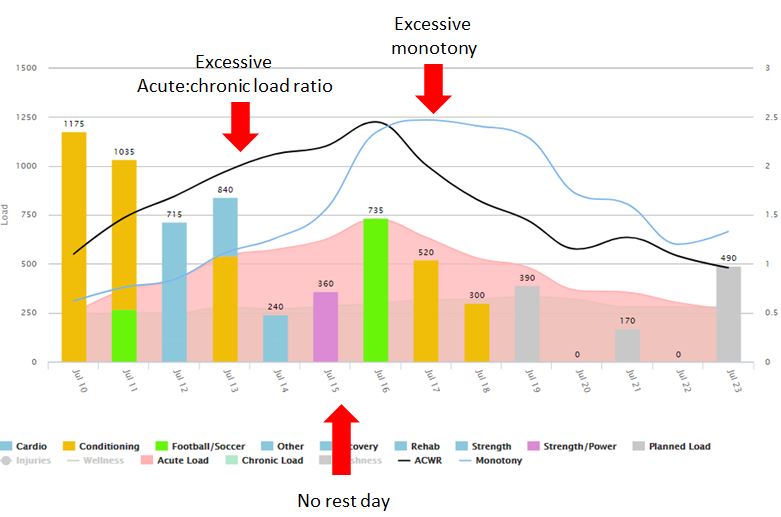
Figure 6 – A recipe for injury - Excessive acute:chronic workload ratio, high monotony and lack of rest day.
Increase weekly volume very gradually over the course of several months but ONLY when wellness measures are reflecting a positive adaptation to load (no excessive fatigue, good sleep quality, low stress, stable mood state, etc.).
In the case of young athletes, use the athlete’s age to guide the weekly training and competition volume. It’s a simple and effective approach to maximize performance while preserving the athlete’s health.
Finally, proactively reduce training load (by 40-50%) during exam period, back to school, and other stressful periods of which you are aware.
Last, but not least, educate athletes, coaches and parents about the risks associated with too much training and the need of keeping weekly load to age appropriate levels. You can do this during meetings, by explaining the impact of excessive load on injuries, fatigue and underperformance using printed material, slide shows or Internet sites.
#4 Adjust workloads on a daily basis
Without the daily monitoring of response to load and the subsequent program adjustments, even the most carefully crafted training program will have strong chances to produce unexpected negative outcomes.
The reason is simple: Each athlete’s optimal load fluctuates on a daily basis and is affected by multiple factors such as training level, fitness, health, nutrition, sleep, stress, fatigue, etc. When loads are not adjusted daily, large differences between planned and real training effects are likely to occur. This will often translate in athletes getting sick before or after a competition, getting injured or to not able achieve peak performance when planned.
What to do:
As coaches, we often forget that non-sport activities and external stressors3 such as work, friends, school, financial and family-related stressors play a large role in determining an athlete’s pre-training fatigue, sleep quality, recovery, motivation and, ultimately, performance.
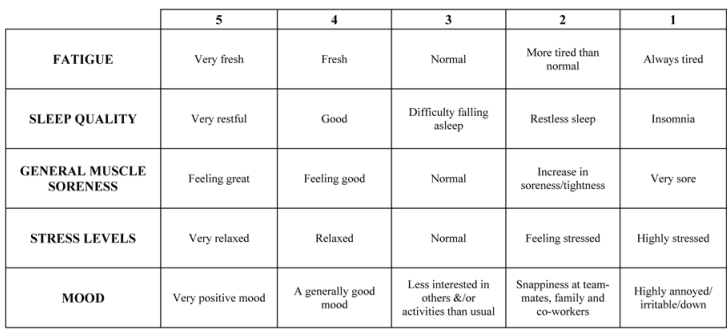
Figure 7 - Example of wellness questions (from reference 18)
A simple, reliable and scientifically validated solution to identify non-sport stressors8,9,10 is to ask athletes to complete a short daily wellness questionnaire and use the wellness scores to adjust daily load3,8,9,10.
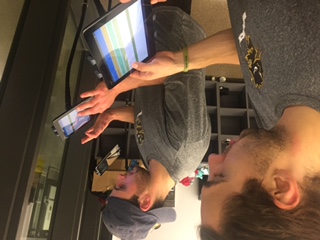
Figure 8 - College hockey players record their wellness questionnaire upon arrival in the training facility
To maximize compliance, use a short questionnaire that contains 5-6 questions associated with symptoms of overreaching (mood changes, poor sleep quality, soreness, excessive fatigue, etc.).
Once athletes have completed the questionnaire, analyze the answers to detect athletes who are in need of recovery, rest, but also those who adapt well to the workload.
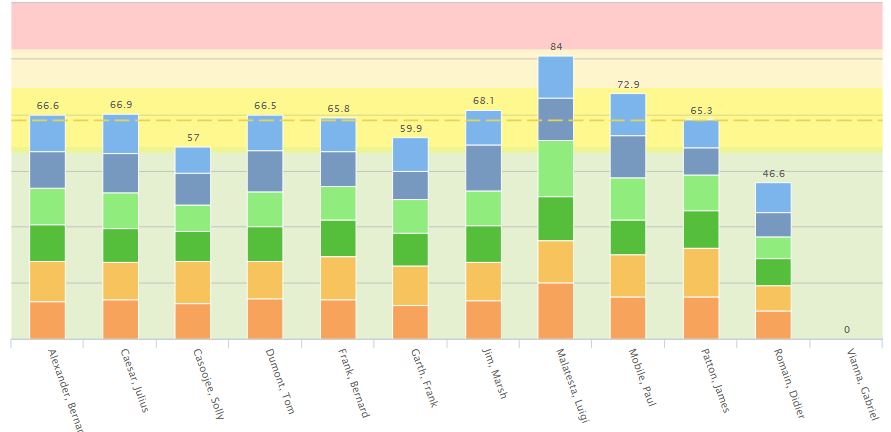
Figure 9 - Visualization of daily wellness results (courtesy of AthleteMonitoring.com)
When an athlete reports poor wellness measures, reduce the planned daily load (e.g.: replace a hard session by an easy one, reduce number of intervals, etc.). If symptoms persists more than 2-3 days, reduce load by 40-50% for the next 7-10 days and have a discussion with the athlete to identify potential lifestyle, training or environmental stressors. When an athlete’s wellness scores are good and reflecting a positive adaptation to workload, increase next week’s load slightly (4-5%).
#5 Don’t forget the fun factor
Young athletes have identified ‘lack of fun’ as the #1 reason for quitting their sport12. As coaches, we often focus on the technical, tactical and physiological aspects of training and physical preparation but sometimes forget that enjoyment is a crucial determinant of intrinsic motivation, a direct predictor of effort and persistence13.
Peak performance requires athletes to be fit, motivated and ready to compete, both physically and mentally. Enjoyment plays a large part the performance equation. When athletes don’t like what they do, they will not be motivated to train hard, and will not be able to train and compete at the best of their abilities.
What to do:
A simple way to maximize athletes engagement, motivation and performance, is to ask them to self-report enjoyment with training sessions, and tweak your programs and sessions to allow athletes have an enjoyable sport experience.
Work with the highest professional standards but do not take yourself too seriously. Smile often, chat (but don’t fraternize) with athletes, be open to last minute program changes and add some fun to our sessions. Adding fun to session doesn’t have to be very elaborate. It can simply take the form of warm-up games, fun challenge/team relays and athlete-directed cool-downs at the end of the session.
Also, be very careful when using very hard workouts, circuits and army-like workouts. They can be motivating once in a while but they are rarely fun for all, are mentally hard, and they increase the risk of injury and illness, including rhabdomyolysis, significantly19. If you must use them, these extreme workouts should be used very sparingly and carefully AND only with very fit athletes who are adequately prepared for it.
#6 Actively seek athletes’ and coaches feedback
The success of any monitoring program depends on the athletes and sport coaches collaboration and willingness to share feedback. Without the will to provide honest and regular feedback and your openness to make adapt programs based on their suggestions, your monitoring program it will not work14.
We have lots to learn from athletes and sport coaches. Experienced athletes often have much more training and direct competition experience than we, strength and conditioning coaches, do. Experienced athletes and coaches know what works well for them and what doesn’t. Their feedback and suggestions will make your program better and more effective. It should be actively sought.
When athletes share personal feedback and you don’t act upon it, or if the information provided is used against them (punishment, mockery, team selection, etc.), they will stop sharing it. When sport coaches share feedback / recommendations/suggestions with you and you don’t act upon it, they might start looking for a new strength and conditioning coach...
What to do:
Any athlete monitoring program depends on honesty, trust, mutual respect and open communication. To receive meaningful feedback from athletes and coaches, the only information from which you can derive useful insight, you should trust them and they should trust you. If they start cheating or stop cooperating, your monitoring efforts are doomed.
Athletes must know why you are collecting feedback and asking them all these questions. A possible answer could be: to help them perform better and stay healthy as long as possible. Once trust is established, and they know that they can provide personal feedback and suggestions, without fearing negative consequences, they will happily share it.
Then, when they do so, when they tell you they are tired, didn’t like some sessions, etc., make sure to tweak your program to include their remarks (after having discussed the planned tweaks with the sport coach). They will be grateful to you and will be even more committed to the team’s success.
#7 Measure what really matters
In the age of sport technology, wireless sensors and powerful marketing campaign by device manufacturers, it is easier than before to focus on the wrong metrics. This can lead to incorrect load management decisions.
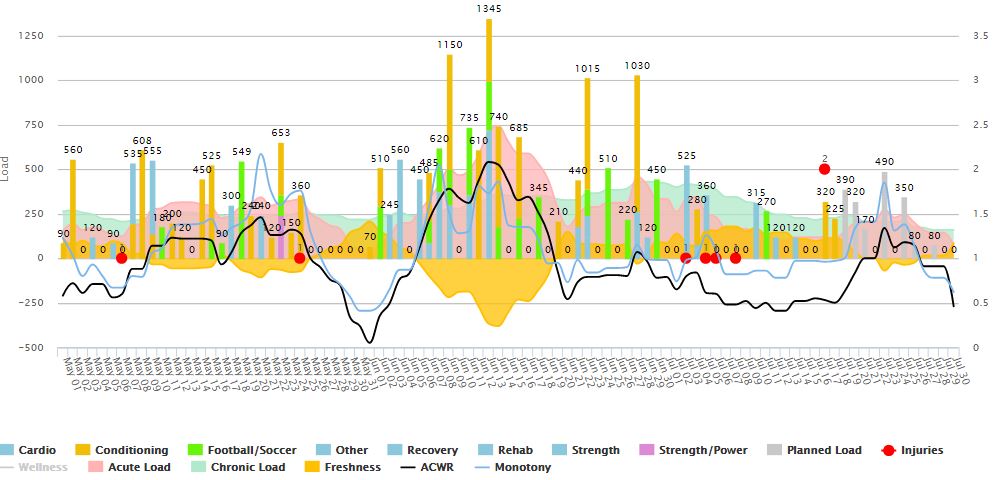
Figure 10 – Comprehensive monitoring of objective and subjective measures (courtesy of AthleteMonitoring.com)
For example, measuring the volume of high speed running from a soccer player with an accurate GPS tracker will not provide any information on how the high speed running was tolerated by the athlete. Low-tech session-RPE is the best tool to monitor the athlete’s response to load.
Similarly, using heart rate measures to measure the internal load of volleyball players often leads to erroneous load estimations. The reason is simple: heart rate measures underestimate the internal load of short-duration high-intensity/anaerobic activities (such as volleyball)16. They cannot accurately measure the internal load of volleyball players.
What to do:
Use technology tools for what they are designed for: measuring distances, power, speed, or internal load for aerobic activities. Using them for other uses than their designed purpose will likely generate useless data and lead to wrong decisions.
Conclusion
To avoid common load management errors: monitor daily wellness, quantify internal load using the session-RPE method, collect enjoyment ratings for all sessions, learn from athletes and coaches feedback and adjust load daily.
Administer performance tests that reflect the key performance indicators of your sport and/or competitive event. Don’t increase load more than 10%/week and don’t submit athletes to loads for which they are not prepared.
And, don’t forget, keep it fun and keep it simple.
Was this article helpful?
That’s Great!
Thank you for your feedback
Sorry! We couldn't be helpful
Thank you for your feedback
Feedback sent
We appreciate your effort and will try to fix the article